Introduction to Kidney Function Tests
Kidney function tests help check how well your kidneys are working. These tests are simple and important for your health. In fact, kidney function tests can spot problems early, even before you feel sick. If you want to know more about kidney health checks or how to test kidney function, this guide will help you understand the basics.
What Are Kidney Function Tests?
Kidney function tests are medical tests that show how well your kidneys clean your blood. Your kidneys remove waste and extra water from your body. Because they are so important, doctors use these tests to check for any problems. Usually, these tests look at your blood and urine for signs of kidney issues.
Why Are Kidney Function Tests Important?
Kidney function tests are important because they help find kidney problems early. Early detection means you can get treatment sooner. For example, if you have diabetes or high blood pressure, your doctor may suggest regular kidney health checks. Also, these tests can help track kidney disease or check if treatments are working.
Common Types of Kidney Function Tests
There are several types of kidney function tests. Each test gives different information about your kidney health. Here are the most common ones:
How Are Kidney Function Tests Performed?
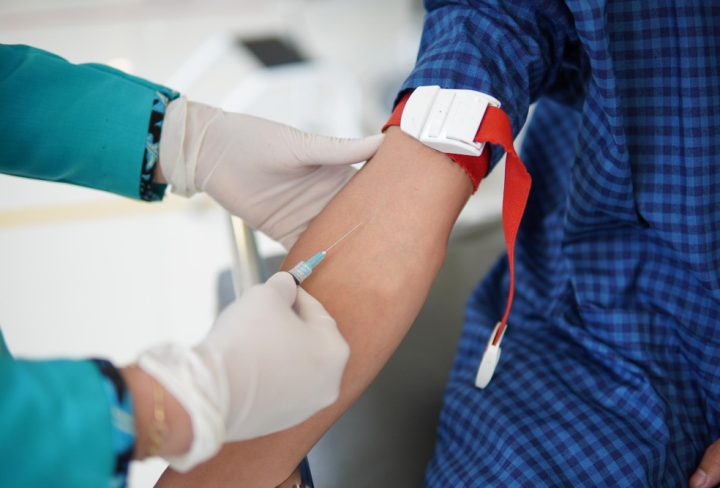
Most kidney function tests are quick and simple. For blood tests, a nurse will take a small sample from your arm. For urine tests, you will be asked to give a urine sample in a clean container. Sometimes, you may need to collect your urine over 24 hours. Your doctor will explain which tests you need and how they are done.
What Do the Results Mean?
After your tests, your doctor will review the results with you. Here is what some results may mean:
However, sometimes results can change due to dehydration, certain foods, or medicines. Therefore, always talk to your doctor to understand your results fully.
Symptoms or Signs That May Prompt Testing
Sometimes, you may not notice any symptoms at first. Still, doctors may suggest kidney function tests if you have:
If you notice any of these signs, it is wise to ask your doctor about kidney health checks.
How to Prepare for Kidney Function Tests
Preparing for kidney function tests is easy. In most cases, you do not need to do much. However, your doctor may ask you to:
Always follow your doctor’s instructions. If you have questions, ask before the test.
Prevention and Lifestyle Tips for Healthy Kidneys
Keeping your kidneys healthy is important for your overall well-being. Here are some simple tips:
By following these steps, you can help protect your kidneys and lower your risk of problems.
When to Consult a Doctor
If you have risk factors like diabetes, high blood pressure, or a family history of kidney disease, regular kidney function tests are important. Even if you feel fine, early testing can catch problems before they get worse. If you notice any symptoms or have concerns, do not wait. Instead, talk to your healthcare provider right away.
Conclusion
Kidney function tests are simple but vital for your health. They help find problems early and guide treatment. If you have questions about kidney health checks or understanding kidney test results, consult a healthcare professional for personalized advice about kidney function tests.